
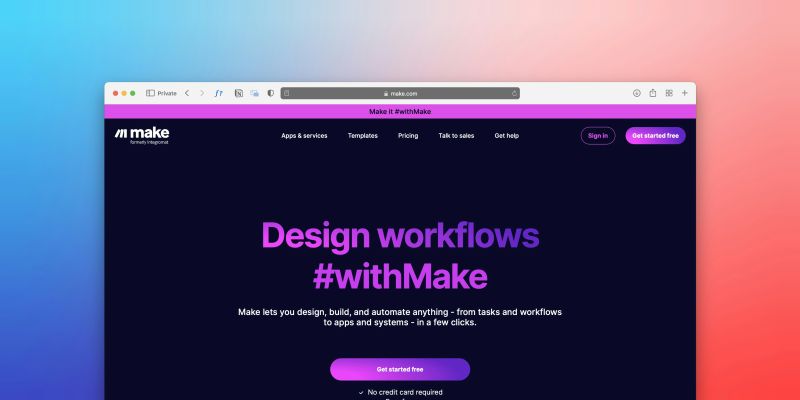

In the age of drag-and-drop builders and stunning design templates, it’s easy to assume that a beautiful website means a successful one.
Spoiler: it doesn’t.
Yes, visuals matter. Yes, aesthetics create first impressions.
But if your website doesn’t convert, it doesn’t matter how “pretty” it is.
Here’s what most business owners don’t realize:
A stunning design might look professional—but without the right strategy, it won’t perform.
Let’s dig into why this happens and what actually moves the needle.
1. Good Design ≠ Good Results
It’s tempting to chase modern trends—scroll effects, minimalism, animations. But none of that matters if your visitor doesn’t know what to do next.
Many “award-winning” websites suffer from:
- Confusing navigation
- No clear call-to-action
- Oversized hero images with vague messaging
- Too much emphasis on looking cool instead of guiding the user
A good website isn’t just beautiful.
It’s functional, frictionless, and laser-focused on helping the user take action.
2. Clarity Beats Cleverness
Clever headlines. Abstract copy. Trendy jargon.
Sound familiar?
The problem is: confused visitors don’t convert.
What users actually want:
- To know what you do
- To understand how it benefits them
- To trust you can deliver
- To be told what to do next
That means your homepage should:
- Clearly state who you help and how
- Show your results/testimonials
- Have a strong, consistent CTA (“Book a Free Consult” / “Get a Quote”)
- Make navigation effortless
Clarity drives conversions. Cleverness just creates guesswork.
3. Performance Is Part of the Design
Slow load times, poor mobile responsiveness, or confusing UX kills interest—even if your website is visually perfect.
Remember:
- 70%+ of users are browsing on mobile
- 53% will bounce if your site takes more than 3 seconds to load
- Accessibility and legibility impact trust
Your site should work before it wows.
What Actually Makes a Website Perform
Forget flashy animations. Focus on this:
- Clear messaging: What do you offer? Who is it for?
- Conversion strategy: Every page should have a goal.
- User-centric layout: Designed for usability, not novelty.
- Fast loading: Optimized images, lightweight design.
- Trust signals: Reviews, case studies, logos, FAQs.
- Calls to action: Repeated, obvious, compelling.
This is what turns browsers into buyers.
Final Thought
A “pretty” website might impress your friends. But a strategic website impresses your bank account.
At FluxWeb Studios, we design websites that do more than look good—we build tools that generate leads, build trust, and grow your business.
Want us to review your current site’s performance—for free?
Let’s chat. You’ll get clear feedback and next steps (no sales pitch, promise).